BetaHub Resources
Fixing Bugs You Can't See: How Night Street Games Solved Multiplayer Debugging Before Launch
March 27, 2026
When playtesters can’t describe what went wrong — but your backend needs proof — a bug report isn’t just incomplete. It’s useless.
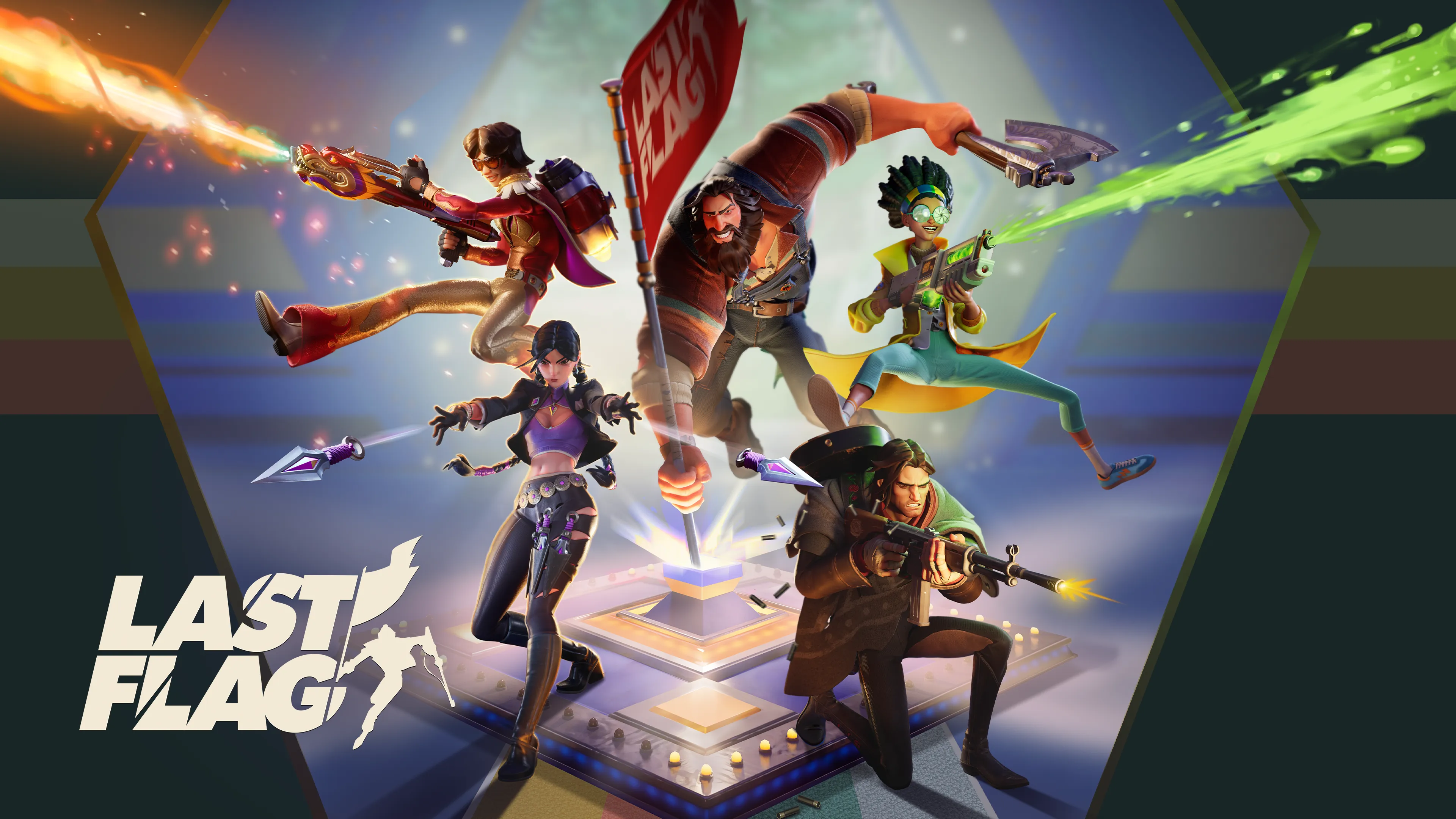
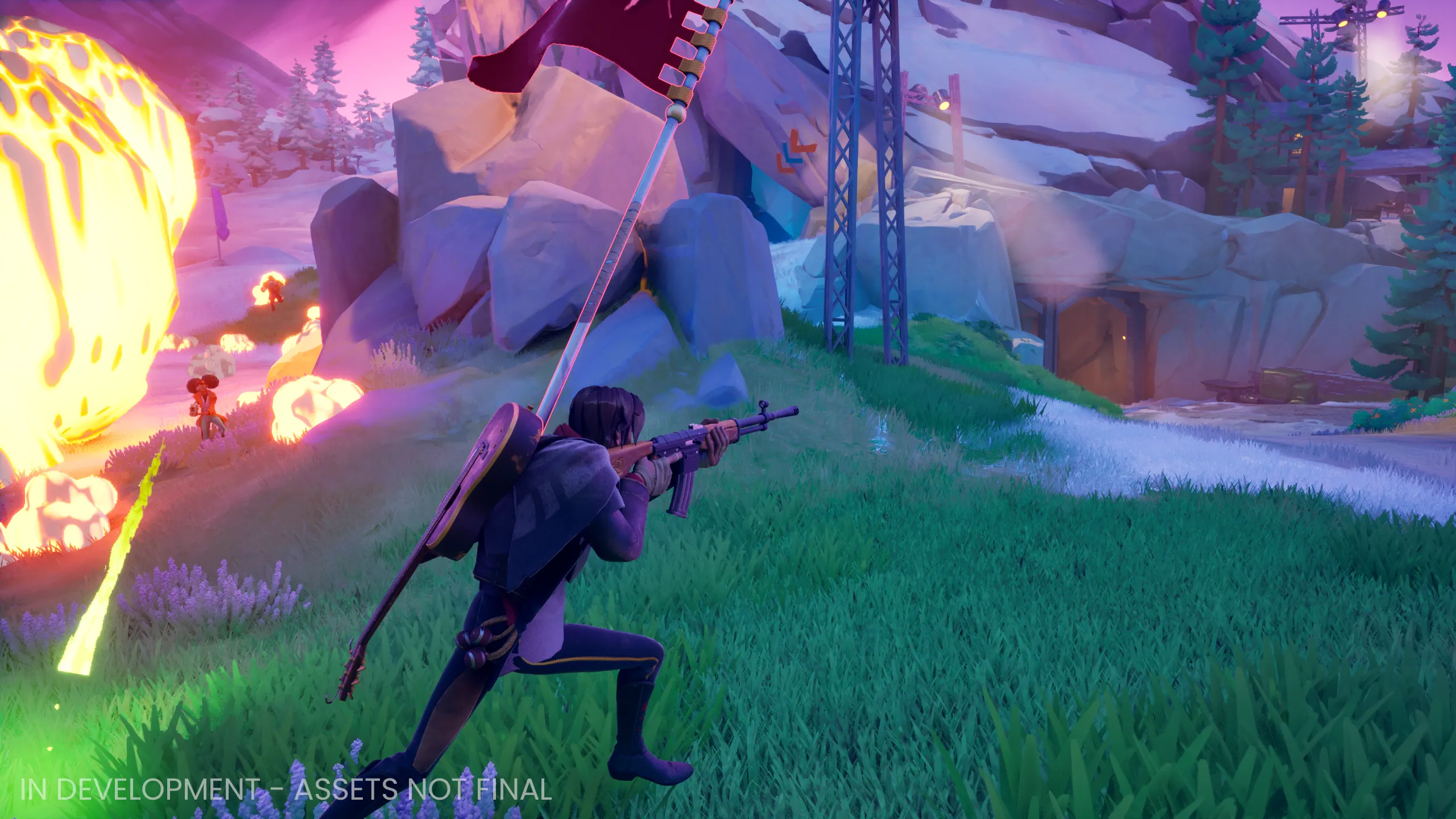
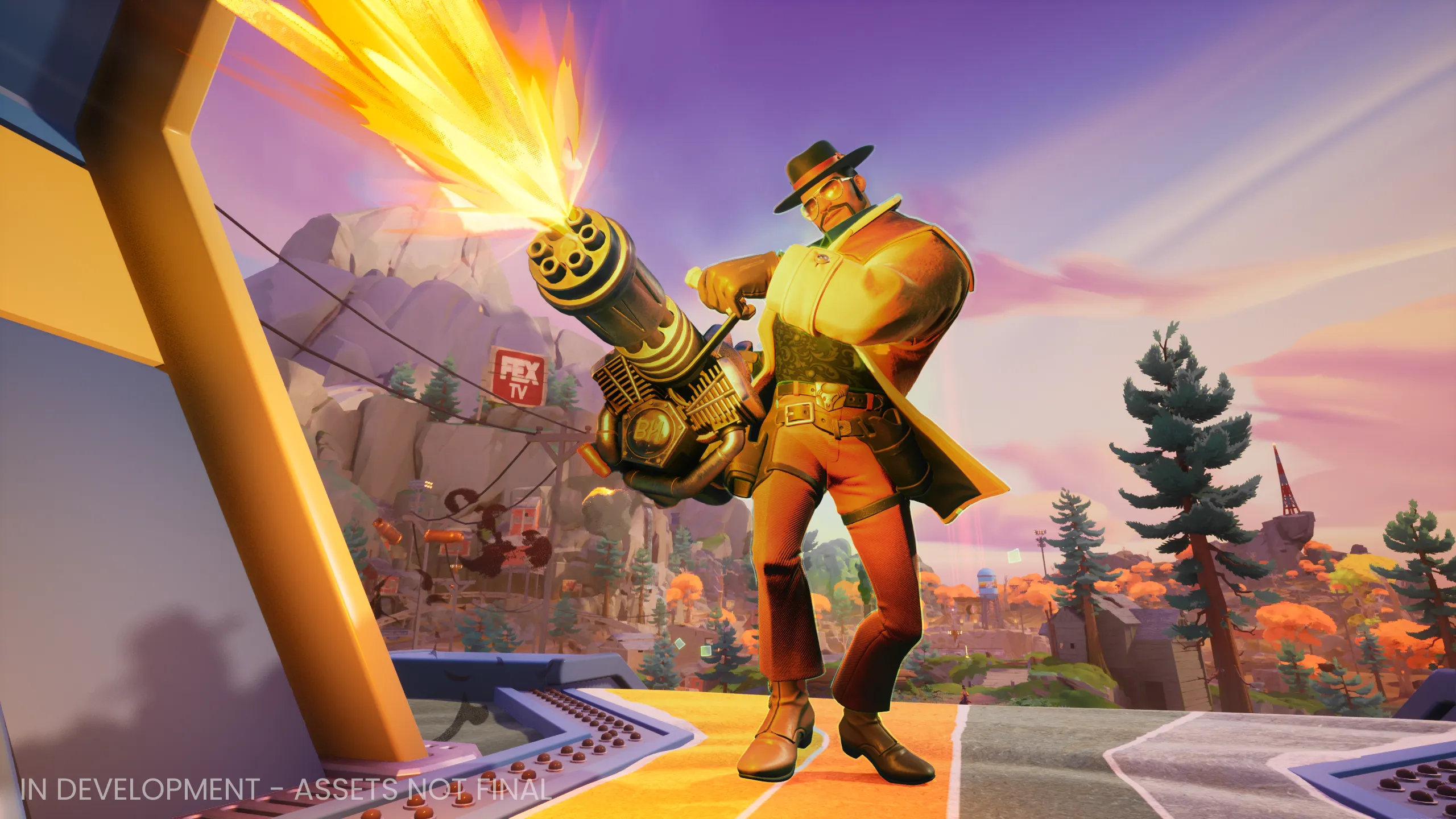
Night Street Games isn’t a typical indie studio. Co-founded by Mac Reynolds and his brother Dan, lead singer of Imagine Dragons, this remote-first studio headquartered in Las Vegas has spent years crafting Last Flag — a fun-first, 5v5 third-person capture-the-flag shooter with a retro 1970s game show aesthetic, launching April 14 on PC. It’s a multiplayer game at its core, which means the backend isn’t a secondary concern. Matchmaking, session state, team synchronization — these systems are as critical as anything players see on screen.
With 200–500 active playtesters submitting 15–20 bug reports per session, the team had no shortage of feedback during closed beta. What they were missing was the data to act on it.
The insights and quotes in this case study come from Volodymyr Volk, QA Lead at Night Street Games, who generously shared his experience with BetaHub.
The Challenge
Before BetaHub, playtester reports lived in Confluence pages. The format was inconsistent, and the content was usually thin — a description of what went wrong, maybe a rough timestamp, nothing more. For surface-level visual bugs, that was workable. For anything touching the backend, it was a dead end.
Volodymyr Volk, QA Lead responsible for bridging playtesters and developers, describes the core problem directly: reports frequently “lacked logs, screenshots, and other essential data,” making reproduction difficult or impossible. The team was spending 2–5 hours per week sorting and triaging — time that produced organization, not fixes.
The pattern that kept breaking down was matchmaking. Players would report something going wrong during session setup, but without backend logs, the dev team had nothing concrete to investigate. The written description rarely matched what was actually happening at the server level. Bugs stayed open.
“We wanted to collect all the info with a simple button press on client.”
— Volodymyr Volk, QA Lead, Night Street Games
That was the requirement. Everything else followed from it.
The Solution
The team found BetaHub through a Google search. They chose it primarily for simplicity — and the Unreal Engine plugin was a direct match for Last Flag’s tech stack. Initial integration wasn’t frictionless: plugin compatibility with their specific Unreal Editor version caused early headaches, and client crashes during setup required troubleshooting. But once running, the in-game reporting experience landed immediately.
Playtesters responded well. Volodymyr describes the reaction as “excellent,” noting the convenience actively encouraged more submissions — a meaningful finding when your goal is comprehensive pre-launch coverage.
Today, when a tester encounters a bug, they press a button inside Last Flag. A structured ticket is created automatically, capturing screenshots, logs, and system metadata. The QA Lead processes each report and logs confirmed bugs into Jira, routing structured feedback to the design team.
The studio uses the Unreal Engine plugin, Discord bot, web form, and AI duplicate detection. They opted not to use video capture — a deliberate trade-off to avoid optimization overhead during development — but screenshots alone changed what the team could work with. When a report’s written description is vague or inaccurate, the screenshot provides spatial context that words miss.
The Results
The matchmaking problem that previously resisted investigation is now solvable. In the QA Lead’s words:
“Matchmaking bugs are hard to investigate when all you have is a player’s description. In the past, we’d hit dead ends on backend issues because there were no logs to go on. Now players can report with a single click and we get the technical context automatically — with their consent — right inside the report. We can fix issues even when the description alone doesn’t tell the full story.”
— Volodymyr Volk, QA Lead, Night Street Games
That last phrase is the key shift. Multiplayer bugs are notoriously hard to reproduce — timing, session state, network conditions, server load all factor in. When a tester’s written description is imprecise (and in a fast-paced multiplayer game, it often is), logs are the only reliable ground truth. BetaHub made those logs automatic and consistent.
Key Metrics
For a studio approaching a major launch, every recovered hour matters. More significantly, the nature of triage changed — the team now prioritizes based on structured data, distinguishing critical blockers from edge cases without relying on judgment alone.

Volodymyr’s advice to other studios still managing playtesting manually is direct:
“Players genuinely want to help — but asking them to hunt down logs or write detailed emails drains that enthusiasm fast. Using a tool like BetaHub shows respect for their time. One click, and we get a structured report with the technical context we need. The community gets to focus on playing, and we get to focus on fixing.”
— Volodymyr Volk, QA Lead, Night Street Games
What’s Next
| Last Flag launches on Steam and the Epic Games Store on April 14, 2026. After many months of playtesting and a demo that ranked in the top 50 most-played during Steam Next Fest, the team is focused on launch readiness. Console versions for PlayStation 5 and Xbox Series X | S are planned for later this year, along with new maps, characters, and a new game mode. |
The QA infrastructure built during closed beta scales forward with the game.
About Night Street Games
Night Street Games is an independent studio co-founded by Mac Reynolds and Dan Reynolds (of Imagine Dragons) in Las Vegas, Nevada. Their debut title, Last Flag, is a fun-first 5v5 capture-the-flag shooter with a 1970s game show aesthetic, built on Unreal Engine. The game launches April 14, 2026 on PC, with console versions to follow. Learn more at lastflag.com.
Key Takeaways
The Challenge:
- 200–500 active playtesters during closed beta
- Bug reports in Confluence lacked logs, screenshots, and technical context
- Matchmaking and backend bugs were impossible to investigate from descriptions alone
- 2–5 hours per week spent on triage that produced organization, not fixes
The Solution:
- Deployed BetaHub’s Unreal Engine plugin for one-click in-game reporting
- Automated capture of screenshots, logs, and system metadata with each report
- Added Discord bot, web form, and AI duplicate detection to the workflow
- QA Lead routes structured reports into Jira for the development team
The Results:
- Triage time cut from 2–5 hours to 1–2 hours per week
- Previously unsolvable matchmaking bugs now have the backend logs needed to fix them
- Screenshots provide spatial context when written descriptions fall short
- Playtesters responded “excellently” — convenience drove higher submission rates
Best Quote: “Players genuinely want to help — but asking them to hunt down logs or write detailed emails drains that enthusiasm fast. Using a tool like BetaHub shows respect for their time.” — Volodymyr Volk, QA Lead, Night Street Games
Ready to Fix the Bugs Your Playtesters Can’t Describe?
Night Street Games turned vague playtester descriptions into structured, actionable reports — and cut their triage time in half before a major launch.
If you’re dealing with:
- Backend bugs that resist investigation without logs or technical context
- Vague reports where descriptions don’t match what actually happened
- Triage overhead that eats hours without producing fixes
- Playtester friction that discourages submissions when you need them most
…then it’s time to consider BetaHub. Join our Discord server, where you can see the platform in action and get help directly from our team, just like Night Street Games did.
Our mission: Turn every bug report into an actionable fix — no matter how hard it is to describe.
See you on Discord and happy developing!
With Love, The BetaHub Team
Join for free today
Supercharge your team with the best bug tracking and player feedback tools. No credit card required, forever free.
Our Mission
At BetaHub, we empower game developers and communities with an engaging platform for bug submission. We foster collaboration, enhance gaming experiences, and speed up development. BetaHub connects developers, testers, and players, making everyone feel valued. Shape the future of gaming with us, one bug report at a time.


2026 © Upsoft sp. z o.o.